In the history of human civilizations, infectious disease has flourished since the horrendous Black Death that travelled from Asia and hit Europe in 1347, it took 200 million lives in four years. Over the recent two decades, we witness other epidemics and pandemics such as SARS, H1N1, Ebola, Zika, whereby some of them are still mercilessly taking lives. Vaccine R&D has been undergoing for each and every virus, giving us the crucial window to construct a collaborative and agile pharmaceutical supply chain.

Concerning the current global health pandemic of Covid-19, Pfizer and Moderna have recently announced their respective vaccine. Subsequently, an IDC White Paper gives insights on the uncertainties and concerns the supply chain leaders hold against the pharmaceutical supply chain. They believe that the pharmaceutical supply chain is vulnerable and that the on-time, in-full delivery of medicines and auxiliary products has dropped due to the continuation of Covid-19. Besides, the rising amount of criminal activities like theft, hijacking, counterfeit products, have further disrupted them to secure the pharmaceutical supply chain and valuables.
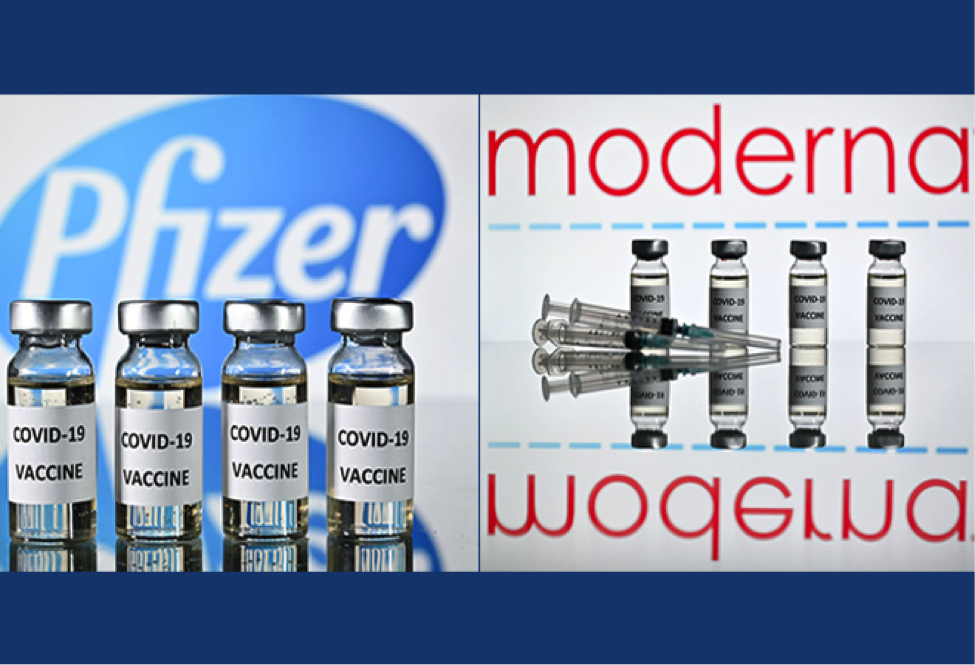
Easier said than done, The Transported Asset Protection Association (TAPA) has warned that the distribution of vaccines is “the biggest security challenge for a generation”. With these considerations in mind, the supply chain industry players have been gearing up their operation to deliver the vaccine worldwide. The industry players concur the importance of collaboration and cohesiveness across all parties to improve agility and visibility in the supply chain. With synergy, integrating hardware and software, as well as information sharing, the pharmaceutical supply chain effectiveness and performance, could be expedited.

Looking back to move forward

The incremental development of Covid-19 cases over the year 2020 has also increased the demand for personal protective equipment (PPE), miscellaneous medical supplies and devices. TAPA has observed the increasing number of cargo crimes and high cargo risks, especially in the pharmaceutical supply chain “because the threat of cargo theft is never far away”. Air cargo and land transport industry players such as KLM, Virgin Atlantic, UPS, FedEx have been constructively advancing their operation and services to develop a secured and reliable pharmaceutical supply chain environment.

Multiple components—from the chemical material to packaging, appliances and equipment, are essential and thus high value for any pharmaceutical production, eventually provoking worldwide cargo crime. On the other hand, illegal product diversion is also among the major crimes in the pharmaceutical industry. With the recent announcement of Covid-19 vaccine and it being a temperature-controlled substance to be in large production and distribution, the cold chain is under unprecedented attention. How should we keep the supply chain and all parties protected and on alert? How do we keep a close eye on the pharmaceutical supply chain?

Towards a sensible pharmaceutical supply chain

The measure towards a sensible and secure pharmaceutical supply chain is to reinforce the hardware and incorporate digitalization into the conventional operation. The marriage of hardware and solution could benefit the supply chain more than just operation efficiency but also visibility. Transparency in the supply chain could eliminate the grey areas and fragility, ultimately enable full monitoring of the environment and data analytics.

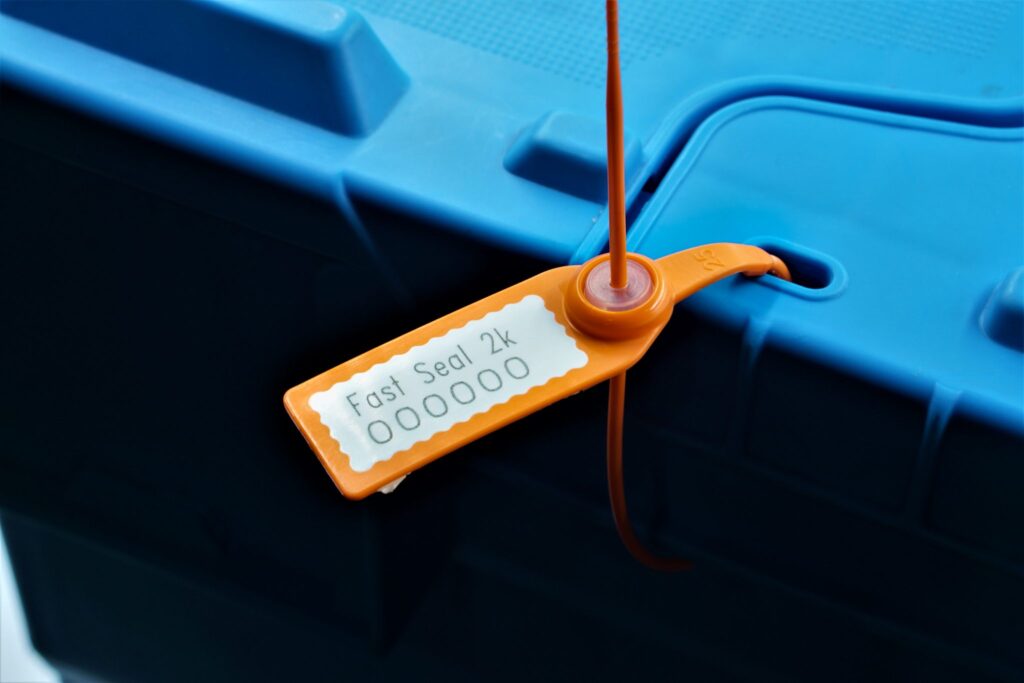
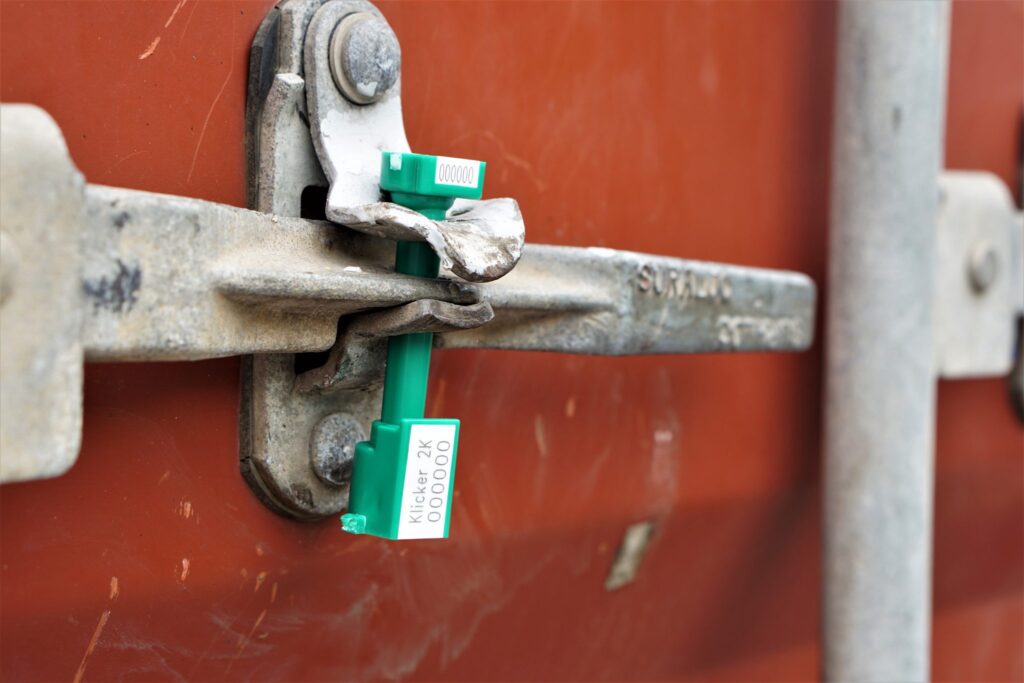
In terms of combating cargo crime, the main commodities in play are undoubtedly the tamper-proof security seals. From high-security seals made of hardened pin and bush (see. High-Security Seals), to plastic indicative seals (see. Indicative Seals) for authentication purposes, a variety of irreversible identifiers, such as barcode and QR code, can be etched on the body for operation efficiency and uphold the product integrity.


The ability to register and store end-to-end information within a secure and real-time database establishes information and knowledge sharing with all parties on the “what, when, where, and how” of a product. Reinforcement in the customs security is possible with simple scanning of the identifier at the border to gain information about the journey. With security seals and technology, we can effectively and collectively achieve comprehensive security and visibility in the pharmaceutical supply chain.

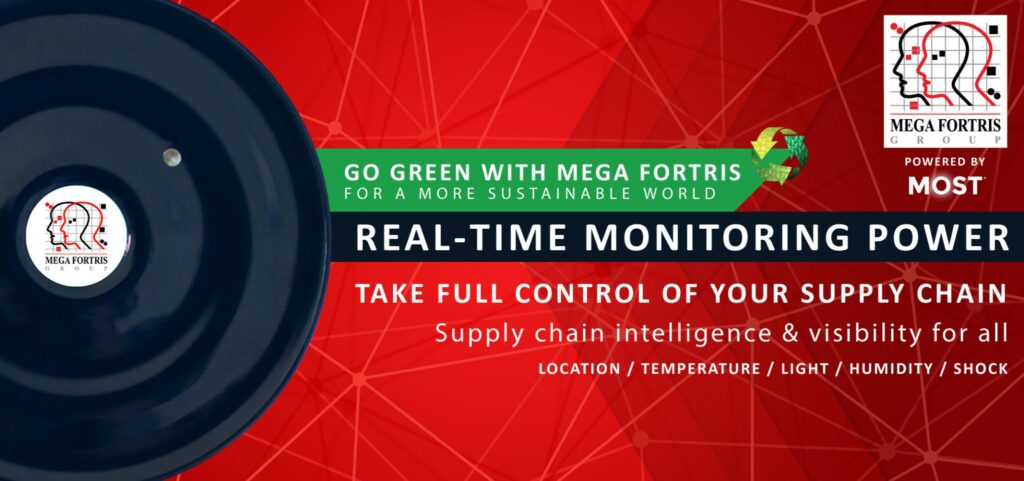
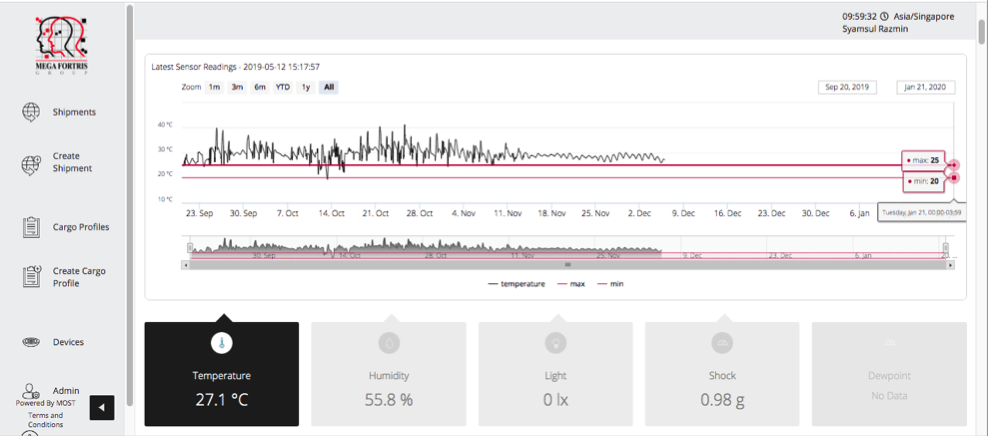
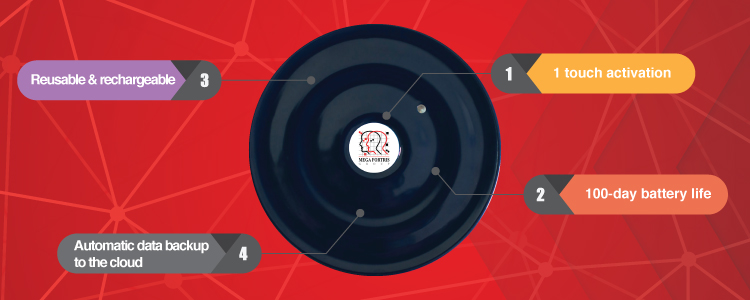
In addition to digitalization and Industrial Revolution 4.0, the Internet-of-Things (IoT) are indeed vital for cold chain monitoring. IoT technology offers a variety of possibilities, and a more thrilling aspect is real-time monitoring which grants industry players comprehensive sensors and immediate alerts throughout the journey. The IoT technology can capture fluctuations in location, temperature, humidity, light, and shock – all in one for the cold chain requirement. This allows sensor-collected data to be streamed continuously for immediate access and therefore provides greater visibility with every step of the way, with no space for human error. Besides, trucks play a crucial role in pharmaceutical products distribution. With GPS trackers installed on the trucks, industry players can gain sensor-collected data such as location, vehicle and fuel status, temperature, and others to plan efficient routes and stay alert.
Keep an eye on the supply chain

Mega Fortris is one of the world’s largest manufacturers of security seals, container bolt seals, tamper-evident products, and complete solutions for the securing of goods. The award-winning and standards accredited company offers a full range of highly tamper-evident and cost-competitive security products. With the versatility and efficiency of the products and services, the company is ready to serve the industry players intent to implement traceability in their operation.

Our security seal solutions have been recognised worldwide for its high quality and compliance with ISO 9001 and ISO 14001 requirements and environmental legislations. Our range of tamper-proof and trackable security seals, bags, labels and tapes can be used across a variety of receptacles used across the supply chain, from trailer doors, containers, trucks, cartons, and boxes.

To learn more about the wide range of security seals available for different types of cargo and modes of transport, visit Mega Fortris Group, a trusted, world-class security seal designer and manufacturer with over 20 years of experience.
“The COVID-19 global health crisis has been a time to reflect on things we truly cherish and our most basic needs. These uncertain times have made many of us rekindle our appreciation for a thing that some take for granted and many go without: food.” – Food and Agriculture Organization of the United Nations (FAO).

This year’s #WorldFoodDay on 16th October 2020 marks the 75th Anniversary of the founding of FAO, an organisation founded to strengthen food production and distribution systems to fighting hunger and tackling disease, whether they emerge in humans, animals, plants, or the environment.

This year’s #WorldFoodDay is nothing but ordinary with the pandemic threatening our populations. The impact of COVID-19 on food and agriculture affects value chains, food prices, and food security across the globe. Sustainable initiatives led by governments and private organisations, aim to mitigate the impact of food supply on vulnerable communities amidst this pandemic, needs to ensure food safety and prevent contamination across the supply chain.

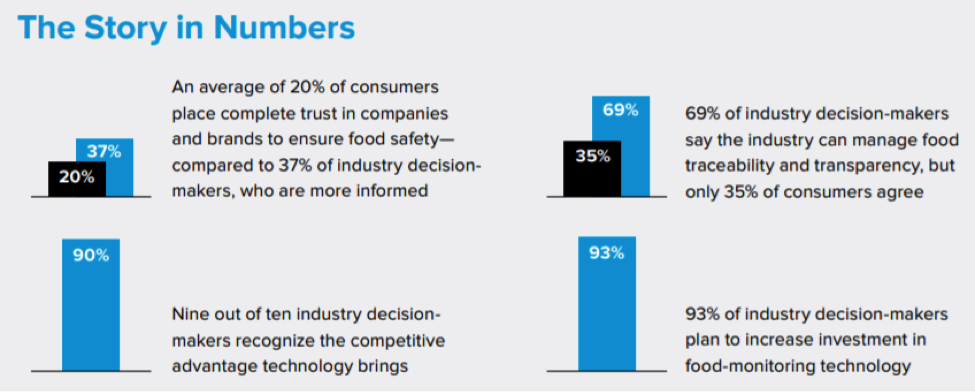
A research revealed that the COVID-19 pandemic had intensified the urgency for supply chain transparency. This is especially pronounced in the food supply chain as the consumer highly demands food supply chain transparency, resulting from several occurrences of food safety issues around the world. In the early days, a vision study report by Zebra Technology enlightened the industry players and public on food safety, traceability and transparency in the food supply chain.

Now you may ask, how do food safety and traceability in the food supply chain relate to each other? Both are essential quotidian supporting our daily life with minimal visibility; both are at stake if no preventive measures are taken proactively. With traceability in the food supply chain, visibility and transparency offered to the industry and public. Traceability upholds trust and reliability between industry players and the consumer and eases the operation suppose a food safety alert emerges.

Application of Traceability

Subsequently, consumer brands such as Mondeléz, Olam, and EZ Grow Farms join the traceability movement to build a safe food supply chain. Countries such as Australia, Hong Kong, UK, and Brazil have reinforced traceability in the food supply chain by introducing standards and regulations. Furthermore, the FDA has recently proposed a food safety fundamental rule for the farm-to-fork food traceability across the food industry.

Traceability is a supply chain solution supported by software and hardware. For the software, blockchain has been the top choice when considering a system to support end-to-end traceability. Blockchain is proven to certify the authenticity and prevent falsification, while simultaneously visualizing the entire supply chain for greater value.

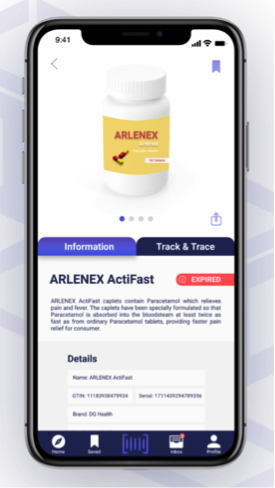
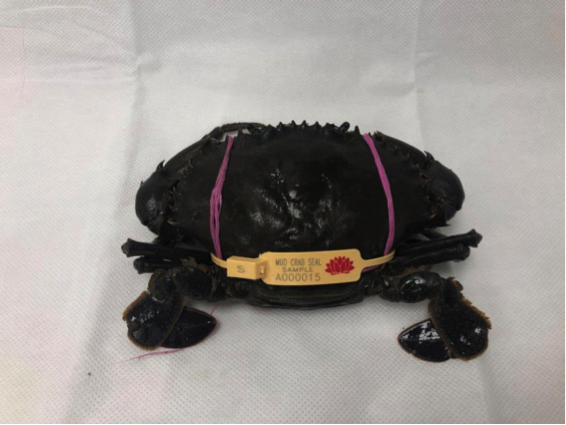
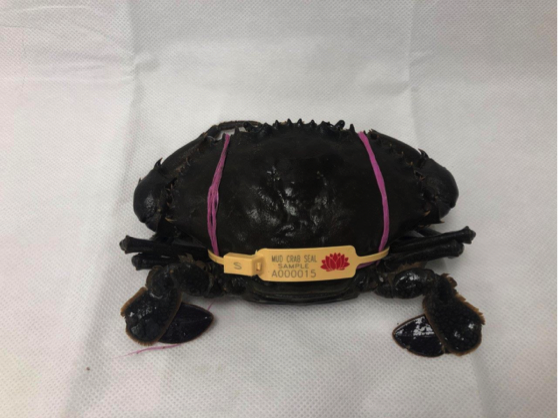
A Japanese blockchain company, Chaintop designed a traceability system that requires just the mobile app and a smartphone. With this simple mechanism, the public can scan the QR code on the product to gain product information registered. The company has managed to trace sea squirts in Japan and pharmaceutical products in Malaysia. Meanwhile, the Australian Department of Primary Industry is looking into tracing mud crab to combat illegal fishing and hence ensuring a sustainable resource of mud crab. Traceability can be a solution for sustainable supply chain environment too.

Security Seals and Tamper-Evident Sticker in Traceability

While blockchain enables authenticity certification, the hardware for traceability must be able to secure the product and uphold material integrity. The hardware shall not compromise on any pilferage, alteration, and theft. Security seals and tamper-evident stickers are the best hardware and identifiers for traceability as they are versatile for all applications throughout the process, tamper-evident, and cost-effective.

Mega Fortris is one of the world’s largest manufacturers of security seals, container bolt seals, tamper-evident products, and complete solutions for the securing of goods. The award-winning and standards accredited company offers a full range of highly tamper-evident and cost-competitive security products. With the versatility and efficiency of the products and services, the company is ready to serve the industry players intent to implement traceability in their operation.

Traceability for Food Supply Chain Transparency

The elevation and implementation of traceability for food safety in the food supply chain rely on the technology advancements and substantial tools, in addition to supporting the operation and delivering optimized performance. Security seals are not only an integral but rather a fundamental tool to complete traceability in the food supply chain. With security seals and technology, we can simultaneously achieve security, visibility, and sustainability in the food supply chain.

From the consumer demand we see in the surveys and reports, to the industry initiatives and standards and regulations by the government, the collective efforts set the pace to establishing a worldwide definitive standard and system, hence assemble a safe and transparent food supply chain. Industry players should be able to identify the intangible yet significant return of traceability and be part of the movement to improve food safety in the food supply chain. Make timely decisions; be resilient.

Why is security seal important? Security seals in the eyes of academicians.

Among the most fundamental skills of a business owner is the ability to identify profitable investment opportunities. It is not uncommon that business owners today prioritize financial returns rather than the intangible and long term investment returns. The natural instinct of any business owner is to recognize and to anticipate the long term benefits and possible opportunities for future investments.

“An investment in knowledge pays the best interest” – Benjamin Franklin.

The knowledge that comes with security seals is beyond numbers and alphabets. The return on investment with security seals lies in the value of the data collected, integrity of the design, and future development readiness.

Academics and learned scholars speak about the significance and potential of security seals. We interviewed professors with expertise in the international business, food production and regulation, defense and terrorism sectors and asked them to share their insights on business owners investing in security seals. The answers below have been edited for clarity and length.

1. Guarantees product authenticity and security

Dr. JiYoung Park, Assistant Professor, International Business, School of Economics and Management, Xiamen University Malaysia stated that,

“Security seals ensure the trustworthiness and quality of relationship management between businesses and their customers.”

As a professor and an end-consumer of products, she believes that the authenticity of a product is one of the biggest concerns consumers have when purchasing goods.

As businesses compete amongst each other, leveraging on their unique competitive advantages within their chosen industry sector in order to attract and retain customers, security seals play a critical role in guaranteeing product authenticity and security and help to build trust and confidence with their customers.

2. Increases efficiency & reliability

Investment in security seals has the potential to increase efficiency and reliability in the long run. Business owners are able to capture the operation data, which contributes as constructive reference in the decision-making process. The potential of security seals is largely on its capability to be integrated within the business’ operating systems that provide visibility and traceability, as part of the IR4.0 adaptation.

Dr. Siti Nurhayatikhairatun Mohd Sharif, Senior Lecturer, Food Defense &Terrorism and Food Regulatory, Faculty of Food Science and Technology, University Putra Malaysia stated,

I see big and positive potential in security seals, complementing the traceability system.

She made a clear statement that security seals are commonly utilized with the purposes of security, quality control and risk-mitigating. If any incidences occur, security seals enable the tracing of root causes for further action to be taken and are referred as a reference point for future prevention.

3. Prevents sabotage

More often than not, security seals prevent sabotage by both insider and outsider actions. Usage of security seals also allows for monitoring and controlling of product quality. The primary issue in the operation here is the lack of standardization of systems along the supply chain.

In the light of COVID-19, new SOPs were implemented such as the limit on the number of people allowed inside a work environment resulting in production output decreasing and less security available to physically guard a business’ assets and property. Security seals can be used as a substitute for human resources due to their reliability and physical strength. One of the major benefits of security seals is that they are compatible with hardware when used in the implementation of the traceability system – monitoring, visibility and security.

4. Acts as a form of verification, enforcement and surveillance

To dive further into the importance of security seals, we interviewed an expert in the Ministry of Health of Malaysia to learn more about the law enforcement of application security seals in food safety. Muhayudeen Muhammad, Assistant Director, Ministry of Health Malaysia mentioned that,

One step forward and one step back, security seals application benefits both law enforcement agencies and the industry players.

Security seals are a form of verification, enforcement and surveillance in the health sector. There are regulations to enforce food security and traceability however with the cost factor as the main concern among industry players, limited and inconsistent information is captured in the operation. As this process is time and workforce consuming for the law enforcement agencies, the need to reinforce the importance of security seals throughout the food supply chain is critical.

With benefits gained in the data collected via the presence of security seals by both agencies and business owners, it eases their workload when the need to trace root causes of a crisis while keeping the business owners accountable. The transparency and synergy between agencies and business owners are valuable for the nation’s food supply chain environment to be nurtured, kept safe and ultimately contribute to all end-customers.

As a way forward, implementing a sophisticated tracking system with security seals being the main hardware brings greater interest for the agencies and business owners. Thus, agencies and government could work hand in hand to push regulations and incentives, ensuring business owners comply with the regulation and make necessary changes in their operation.

From the academic’s perspective, security seals have a lot more potential beyond what the eye can see. While bringing ease to work, they have great potential to make businesses and industries accountable to every consumer chain. As we mention these benefits, we aim to see a drastic growth in the entrepreneurial space via the usage of security seals to create high-end services and products for the nation. Security seals are undoubtedly established as a need in every business in the long run.

By MOST | October 28th, 2019 | Real-Time Monitoring, Sustainability

As worldwide use for shipping and transportation progress rapidly, so do the environmental impact. According the global management consulting firm McKinsey & Company, “The typical consumer company’s supply chain creates far greater social and environmental costs than its own operations, accounting for more than 80 percent of greenhouse-gas emissions and more than 90 percent of the impact on air, land, water, biodiversity, and geological resources.

Fortunately, the Internet of Things (IoT) is on the rise as well. From technologies like real-time monitoring business owners are offered new possibilities to dramatically boost the performance and efficiency of supply chain operations while also shrinking their environmental influence.

Sustainability issues in entire supply chain

Companies need to understand the complete span of their environmental impact in the thoroughgoing supply chain. This is why they need to contemplate beyond their own operations and be critical about the entire supply chain.

Due to a cost/benefit analysis companies supply chains has expanded globally. As a result the distances grow longer and multiple transportation methods are requested and therefore a grow in energy demands increase. It is no surprise that transportation-related pollution is a problem. According to the UN Environment Programme, transportation is currently responsible for nearly a quarter of global energy-related CO2 emissions.

Food waste is also another major sustainability issue in the transportation sector, where damage and contamination are common occurrences. The UN Food and Agriculture Organization reports that about one-third, or 1.3 billion tonnes, of food produced globally for human consumption is either lost or wasted every year.

IoT and sustainable shipping

The continuous increase of IoT technology is creating a new era where profitability and sustainability can coexist. With IoT you are sure to streamline supply chain and deliver everything from raised supply chain visibility and productivity to cutting costs.

The real power of IoT lies in intelligently connecting people, processes, data and things—and exploiting that intelligence to radically change business processes,” writes OpenText, the enterprise information management company, in a recent white paper.

Ultimately, the goal is to enable real-time and informed decision-making that allows organizations to move beyond efficiency and cost improvements toward implementing more effective business strategies around new product development, proactive inventory management and demand-driven production,” they say.

How IoT benefits sustainable shipping

  • Greater supply chain visibility and shipment overview
  • Optimized value of IT and other tools
  • Improved inventory stock management
  • More efficient routing and reduced waste
  • Less surplus production and better supply-demand matching

Real-time monitoring secures energy efficiency and less waste

IoT technology offers a variety of possibilities and one of the more thrilling aspects is real-time monitoring which grants you greener shipping ways. The technology allows sensor-collected data to be streamed continuously for immediate access and therefore provides greater visibility every step of the way. This without a chance of human error.

When supply chain managers are empowered with the information they need at the right time, they are better equipped to ensure cargo arrives in the best possible condition—or to intervene and prevent damage and waste before it’s too late. Real-time monitoring can also be used to improve inventory stock management and transition to demand-driven production.

Data accuracy and accessibility is vital and can help elevate energy efficiency during transportation and at other points within the logistics system. Having enhanced shipment data makes it easier to optimize shipping journeys, improve dock scheduling and use warehouse resources more efficiently.

Four steps to a more sustainable supply chain

Companies do not have to put more purchasing power into IoT technology in order to secure a more sustainable supply chain, although it without doubt would help. Four steps that help your supply chain manager commence creating a more sustainable supply chain instantly.

  1. Recognize existing sustainability issues
    To comprehend the precise span of your supply chain’s influence on the environment, it is important to have knowledge about how resources are being used along every step in the production process – from sourcing and manufacturing to transportation. Overwhelmed? Integrating IoT monitoring solutions is a great way to establish a better overview and greater transparency in your supply chain. Organizations like TSC, WWF, The Sustainability Accounting Standards Board, and CDP and the Global Reporting Initiative also have tools and processes that can help you identify and resolve impact areas.
  2. Minimize surproduction
    Is your supply coordinated with your verified demand? A production surplus is a vast supporter to resource decrease, waste and economic loss. IoT technology like AI and machine learning enable you to forecast demands more precisely which again will support you in a way that your supply and manufacturing processes become more cost-effective. Predictive analytics might even help you consolidate shipments in a smarter way and use existing assets more efficiently.
  3. Optimize shipping routes
    An important tool in being as cost-effective as possible is to have a detailed map of your entire supply chain. The map allows you to easily spot inefficiencies and through a possible rerouting even save both time and reduce fuel consumption. Real-time monitoring contributes to this overview and even support you with in-depth routing information in case of a needed re-routing on-the-fly should eg. traffic congestion or other unexpected issues pop up.
  4. Set principals for your suppliers
    Are your suppliers sourcing and using resources responsibly? Establishing and communicating sustainability standards and best practices, combined with increased transparency, can raise accountability levels across your supply chain and encourage your suppliers to get onboard and contribute to your sustainability efforts.

Go green when shipping

Today’s IoT technology has improved to an extend that sustainability-conscious companies are helped to reduce the environmental impact of their supply chain operations. It is a matter of combining the right technological tools, awareness and smart supply chain strategies – this will enable you to a greener shipping industry where both the environment and trade can go hand-in-hand.

What’s your tool for change? Megafortris powered by MOST helps you to make a sustainable future happen today. Our monitoring solution empowers companies with the visibility and real-time insights they need to make changes where they count. If you’re looking for a partner in your journey towards a more sustainable and strategic supply chain, we’re happy to help.

Whenever the topic of traceability in the supply chain comes up, many often perceive it as tracking the logistics of deliveries and shipments. However, in light of Industry Transformation 4.0, traceability in the supply chain has evolved beyond the basic tracking mechanisms of physical cargo or items in transit.

Traceability is now about providing a full spectrum of transparency and visibility to create trust and confidence in all stakeholders involved in the supply chain of goods.

Thus, traceability is the ability to track and trace a batch of goods from its raw material production right through to when it reaches the hands of the end-users. The system is capable of recording and reporting every procedure along the supply chain, such as history, distribution path and location, and raw material and parts information.

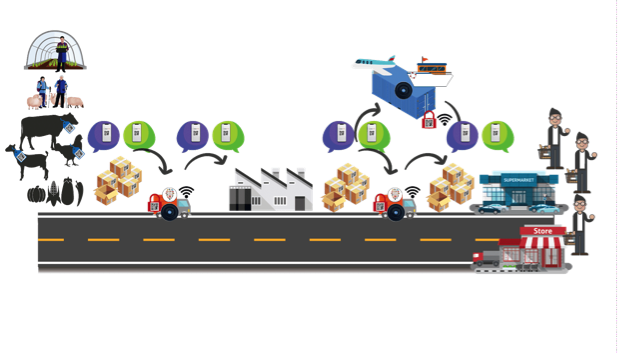
Despite massive leaps of technology advancements with regards to traceability, the mechanism for traceability for those involved in the supply chains remains simple yet comprehensive: tag, scan, and repeat. By going through these steps at every stage of the supply chain, from raw materials sources through to the shelves of retailers, products and related information are retrieved, registered, and made available for business owners and consumers to trace and track.

The ability to register and store information within a secure and real-time database establishes information and knowledge sharing with all parties on the “what, when, where, and how” of a product.

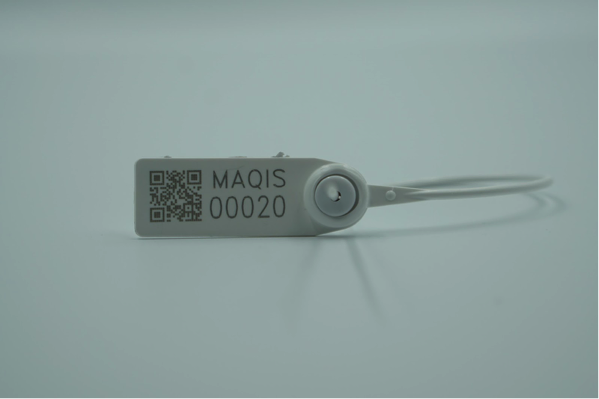
As a supply chain industry player ourselves, we have captured an expanding trend on the demand for QR codes over the last three years. With these insights, we have shifted our traceability implementation by simply replacing the conventional barcodes and serial numbers on our security seals with QR codes. The information behind the QR code will then be registered into a user-friendly system that can be accessed by anyone along the supply chain, without the need of a specialised barcode scanner.

Through the integration of hardware (security seals and stickers) and software (QR code and a monitoring platform), business owners are equipped and ready to deploy this value-added feature into their business, granting them more control and increasing their credibility amongst stakeholders and consumers.

Business owners who take advantage of the real-time features of the traceability system are able to make timely decisions to avoid loss and prevent disruption when alerts are triggered. By generating the data and history that are securely stored in the system, business owners can navigate through potential risks through improving operational procedures and enhancing resilient planning.

As another added value, by implementing transparency through traceability systems, organisations will also effectively demonstrate their sustainability initiatives and openness to stakeholders.

Image 1: Mud crab in Australia is being tagged to allow the monitoring of sustainable fishing.
Image 2: When the industry starts tagging all goods/items with its details uploaded and accessible via a QR code, authorities, business owners, and end-users will have full transparency of the supply chain; thus are empowered with traceability.
Image 3: Mega Fortris’ Fast Seal with a laser-engraved QR code that is unique to hold product details.