Reopening of Borders Across the Globe

April 1, 2022 – Malaysia’s government announced the reopening of the country’s border to international travellers.

Following this, the Malaysia-Singapore land border was also reopened. All fully vaccinated travellers will be allowed to enter the country without undergoing quarantine, but will be required to take an RT-PCR test two days before departure and a rapid test (RTK) within 24 hours of arrival.

Hong Kong and Macao passport holders may also enter Malaysia visa-free for up to 30 days. For visa requirements for foreign nationals, see: https://bit.ly/3J3JMQN.

After two years of strict travel, Malaysia has dropped its quarantine requirements for people vaccinated against COVID-19. We can expect some normalcy in the coming months as international flights for business, tourists, and foreign students reopen and resume operations. The road to recovery is positive as inferred by the activities below:

  • Malaysia Convention & Exhibition Bureau, the leading business events bureau in the country, will be organising a total of 81 business events thus far for the year 2022 and is expecting around 113,700 delegates to Malaysia, contributing to a total of RM834 million in estimated economic impact.
  • Malaysia closed a deal with Emirates Airlines to bring tourists from 130 international locations.
  • Education Malaysia Global Services is facilitating international students to pursue higher education in Malaysia, as it was also reported that there was an increase in PhD applications from international students in the past 24 months, reaching 11,661 in 2021.

Additional information on borders across the world:

  • From 16 May, passengers flying in the EU will no longer need to wear masks in airports or aboard flights, though some countries have chosen to require masks. Check the rules before you fly here.
  • Austria, Greece, Switzerland, Bulgaria, Croatia, Lithuania, Sweden, Serbia, Slovenia, and Slovakia no longer have any Covid-19 travel restrictions for visitors.
  • Belgium: Visitors from outside the EU no longer need to show any Covid-19 paperwork to enter.
  • Italy: Its ‘state of emergency’ situation has dropped but has extended travel restrictions until 31 May.
  • Spain and mainland Portugal: Masks are no longer mandatory, except on public transport.
  • Japan: Border restrictions in June will be relaxed further where there are no Covid-19 arrival tests for people from low-risk areas.
  • Singapore: Borders have already opened, and restrictions are lifted.
  • Philippines: The ease in border restrictions allows fully vaccinated international travellers to enter.

With the borders reopening, Mega Fortris also has plans in the pipeline to revisit old friends and business partners around the globe.

Supply Chains Flare Up Again, Endangering Global Recovery

Despite some positive predictions of the supply chain’s recovery, supply chains are getting tangled across the globe. From China to Denmark, this new situation is sparking re-examinations of things as macro as globalisation itself and micro as trucking efficiency around ports.

As for the big picture, the intertwined world economy took decades to stitch together and will take years to play out, however it evolves. In the meantime, economists are squinting to see the more granular, short-term shifts that the pandemic and Russia’s war in Ukraine are forcing on consumption, investment, production, and trade.

Some observers say now is a good time to focus on different metrics than traditional measures of employment, prices, and gross domestic product.

“The way we look at the global economy needs to change,” said Steven Barrow, a currency strategist at Standard Bank. “No longer should we look at growth, inflation, and monetary policy through the lens of demand. Instead, it is supply that’s key.”

Before the pandemic, the supply of goods and services was what economists would generally call “elastic”, flexing easily to match demand. “But now supply has turned from being elastic to inelastic, meaning that the response to changes in demand are far less,” Barrow said in a note.

With that in mind, there are a few unorthodox supply-side scopes to observe, with one such as below:

  1. Heat Maps

Many economists, including the team at Bloomberg, have developed indexes or colourful heat maps to show the degree of stress on supply lines. In a research note last week, BNP Paribas SA analysts released their latest tracker, and it showed some April indicators flashing orange and yellow.

They look at traditional gauges like delivery times and order-to-inventory ratios, along with alternative numbers like air cargo rates and the number of anchored vessels outside the Port of Los Angeles. “Disruptions are back and here to stay,” they wrote.

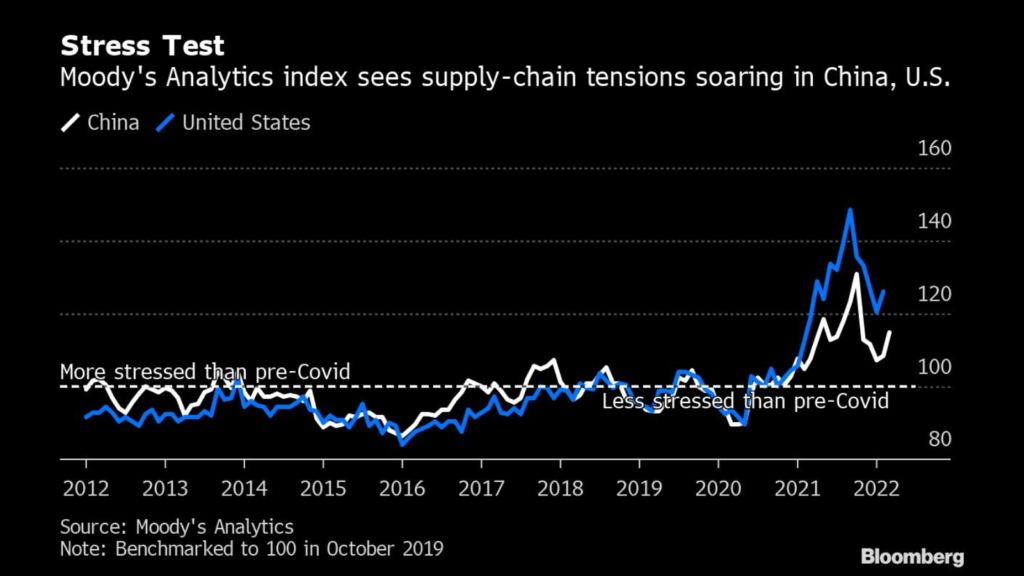
A Moody’s Analytics measure shows supply stress in the world’s two biggest economies, the U.S. and China, is still hovering well above the pre-pandemic norm.

“Disruptions stemming from the Ukraine conflict steepened those graph lines in February, but now the cause lies primarily with China’s Covid-related woes, which have forced 15% more ships to wait in waters off the ports of Shanghai than at the same time last year, “said Steve Cochrane, the firm’s Asia-Pacific chief economist. “That’s reversing the improvement that started in the final quarter of 2021,” he added.
China’s Trade with the World Withering

China’s trade with the rest of the world declined in April under the pressure from Covid-19 lockdowns and dropping overseas demand, signalling that the global economy is losing traction as high inflation affects consumer spending.

The pullback in exports that helped power China’s growth is heightening worries over a world economy that is already shaken by the war in Ukraine and rising interest rates in the U.S. and Europe.

Exports:

  • In March 2022, China’s export growth rate was 14.7%.
  • In April 2022, China’s export growth fell sharply to 3.9%, its weakest level since June 2020, due to the stringent COVID-19 rules that badly affected trade in the country. However, this rate was still slightly above analysts’ forecasts of 3.2%.

Imports:

  • In April, imports were stagnant, showing almost no growth due to restricted domestic demand.

The sluggish figures reflect the extent to which the Chinese economy has lost momentum in the face of prolonged lockdowns in some of its major economic hubs.

Shanghai, the world’s largest port, has seen massive disruption since late March as a result of curbs aimed at dealing with the country’s worst outbreak of COVID-19 since the pandemic began more than two years ago.

The Chinese government’s zero-COVID policies have seen factories shut down across the city, as well as major shipping delays at the port.

Transport and logistics networks have been severely impacted, with restrictions hitting delivery of goods around the country and to ports with major global shipping connections.

Chicago-based 3PL and global freight forwarder SEKO Logistics said in a customer advisory that ocean and airport operations in Shanghai are currently operating, with factories running if operating under a closed-loop system.

“Ocean terminals are operating as normal but with lower efficiency due to staff shortages,” said SEKO officials. “We have seen an approximate 80% decrease in container pickups from outside the lockdown area due to driver shortages and restrictions. Carriers have announced omitting calling at Shanghai and vessel cut-off delays due to traffic restrictions. This will put additional pressure on the terminal once it opens, and we expect port congestion once the restrictions end. The port of Ningbo is an alternative option but is now being impacted as almost all cargo, excluding Zhejiang Province, has been diverted to Ningbo as an alternative port to Shanghai. This has caused an increase in rates out of Ningbo as well as an equipment shortage.”

The persistent impact of COVID lockdowns on key markets will have wider-reaching impacts, leading to equipment scarcity in China, a hike up of rates, and worsening of the traffic jam on Transpacific.

“The problem will continue to remain after that because there are also labour union disputes in the U.S. waiting in the month of May, which historically always leads to slow down at the west coast ports,” he noted.
Security Seals in Our Midst

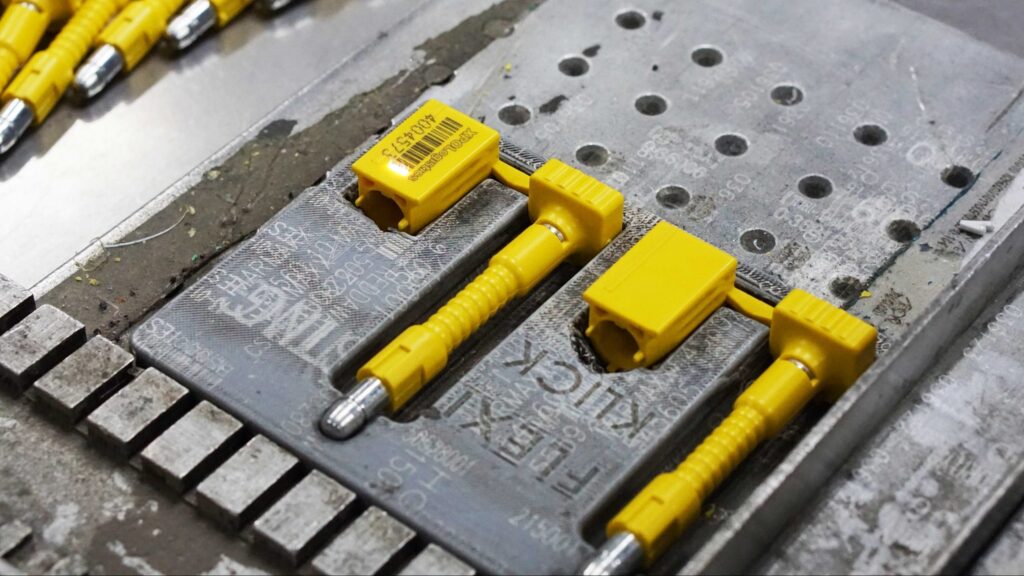
Security seal providers are no strangers in the industry. As a staple product in providing you peace of mind, these seemingly insignificant units have just one main objective: to protect your goods.

Now, security seals are not limited to just metal and plastic seals that provide protection. There are also security labels and tapes, as well as security bags. As the world becomes more comprehensive in providing and demanding protection of their goods, there is now an international standard for mechanical freight container seals to ensure that the quality of security seals meets the minimum standard in protecting and securing your assets.

The Deal between ISO17712, Security Seals and Mega Fortris

ISO 17712 is the standardized document that gives uniform procedures to classify, accept, and also withdraw mechanical freight container seals. With this certificate, you will get a single source of information regarding mechanical seals that are acceptable for securing your freight containers for international commerce. There are three kinds of classes of security seal strength or even barrier capacity: “I” is for Indicative; “S” is for Security, and “H” is for High Security. 

One should know that C-TPAT (Customs-Trade Partnership Against Terrorism) needs the employment of “H” class seals.

What makes Mega Fortris Group different from our competitors is that as a designer and manufacturer of security seals, we pride in having and knowing that there is quality in our products.

Every year, Mega Fortris Group ensures that the ISO17712 Clause 6 (Tampering Testing) certificates of security seals that fall under the “High” Security Seals category that are issued and certified by SGS Malaysia are updated after strict testing, so that the quality of our products are maintained without fail and you will have a peace of mind when using them. SGS Malaysia is an independent third-party test laboratory that validates the security seal’s classification and is accredited according to the ISO/IEC 17025.

For the year 2022, our “High” Security Seals have updated our certificates with the latest version. They can normally be found here, but we have also included them below (click on the tabs):

Long port wait times equal to idle ships and boxes, and as the supply chain continue to breakdown, there are more delays in the ports and terminals. Consumer goods are surging, and retailers are facing a supply chain crisis ahead of the holiday season because of the lower-than-usual efficiency of port operations due to COVID-19.

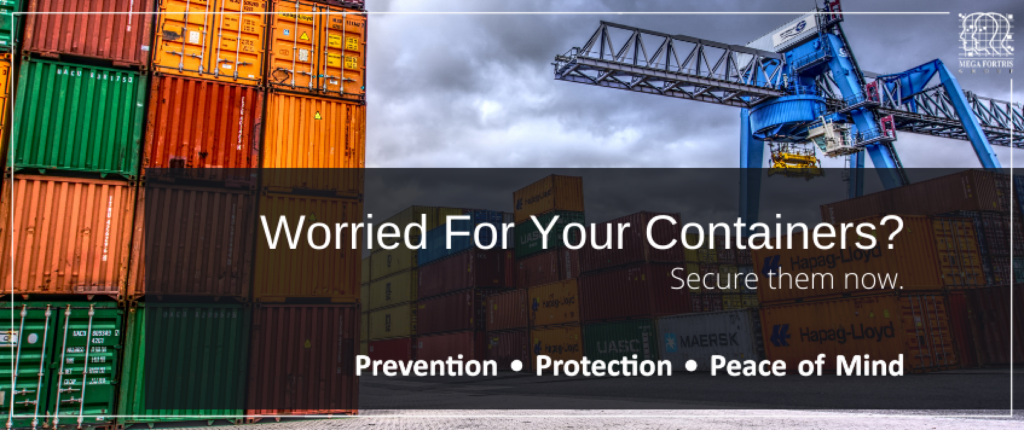
With your shipping containers stuck at port, its security is more important than ever. Secure your shipping containers before they are in-transit to the location so that you can alleviate your worries.

Protect them with our security seals that will guarantee to give you peace of mind.

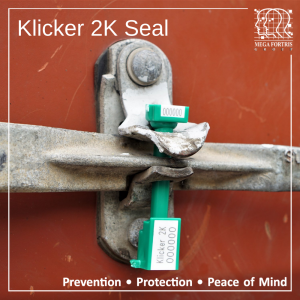
Klicker 2K Seal

The world’s first dual colour container designed by Mega Fortris makes it easy to identify your assets and their security. With nearly 3 million pieces sold in the past year, this security seal is a trusted product by many customers.

Learn more here.

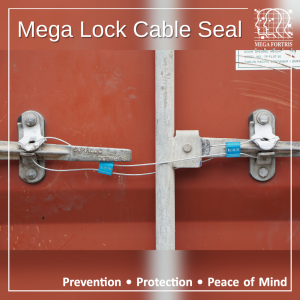
Mega Lock Cable Seals

Mega Lock series is a combination structure of a container bolt and a cable barrier seal to achieve robust security for high-value assets. ISO 17712 and CTPAT compliant, it secures both doors of the container through the combination of a container bolt seal and the MCL 250 cable seal.

With precisely designed locking mechanism and cable length, it is strong and durable for all securing purposes.

We have three versions available:

Find more here.

Contact our sales team today for enquiries and advice on the correct solution for you.

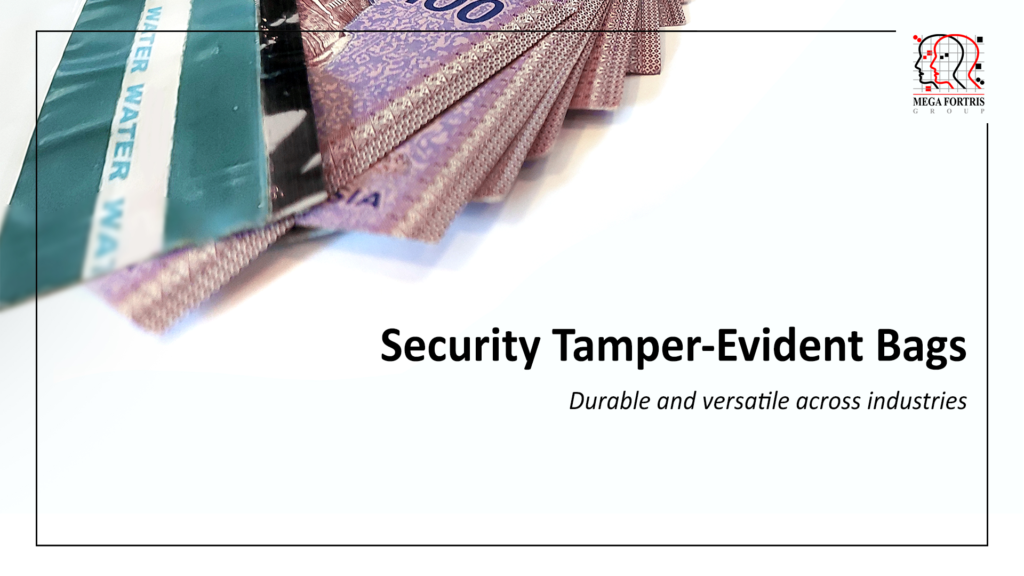
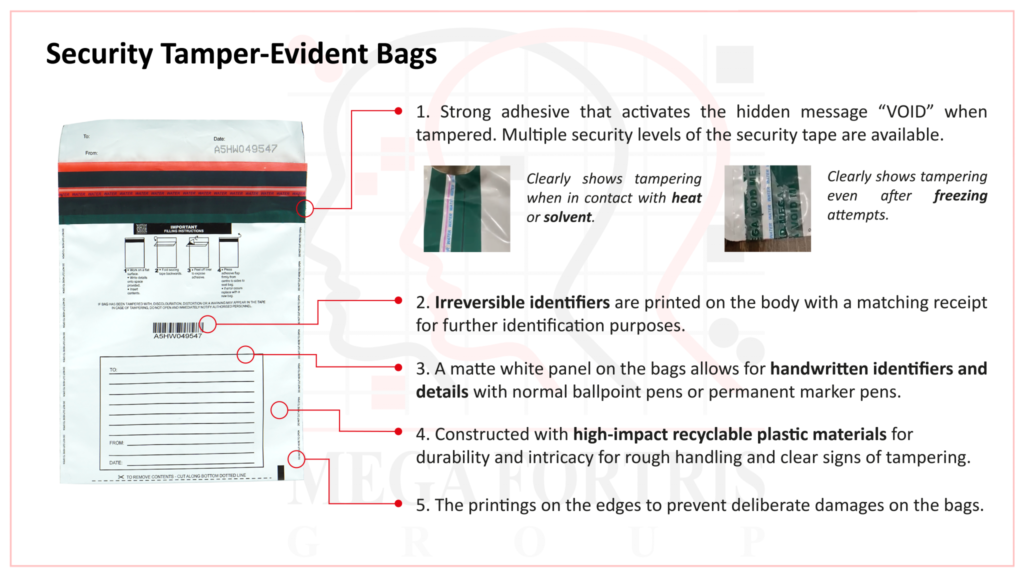
Different from security seals, security tamper-evident bags both store and secure your valuables. These tamper-evident bags are security bags are advantageous due to the fact tampering can be detected at a glance and it ensured that the contents would be delivered in the safest possible state. Constructed with high-impact recyclable plastic materials for durability and intricacy for rough handling, these security bags have a comprehensive security while being user-friendly.

Our security bags are extremely versatile as they have been used in a wide range of application, proving that security of the supply chain can be made simple, even with their simple and effective features.

  1. Strong adhesive that activates the hidden message “VOID” when tampered. Multiple security levels of the security tape are available.
  2. Irreversible identifiers are printed on the body with a matching receipt for further identification purposes.
  3. A matte white panel on the bags allows for handwritten identifiers and details with normal ballpoint pens or permanent marker pens.
  4. Constructed with high-impact recyclable plastic materials for durability and intricacy for rough handling and clear signs of tampering.
  5. The printings on the edges to prevent deliberate damages on the bags.

Securing your assets with our Security Tamper-Evident Bags will give you a peace of mind for their strong protection and their prevention against unwanted acts.

Choosing the right seal

Indicative seals are common and cost-efficient as they are reliable and user-friendly. Hence they play an essential part in the supply chain. However, choosing the right seal from the extensive array of options might be overwhelming and challenging.

Mega Fortris is one of the world’s largest security seals and tamper-evident products manufacturer and a provider of complete solutions to secure goods. The company is well-equipped with the knowledge to meet the current ever-changing marketplace and industry players’ needs. Thanks to our 20 years of experience in the industry and the versatility and efficiency of its products and services. To learn more about the wide range of security seals available for different cargo and modes of transport, visit Mega Fortris Group, a trusted, world-class security seal designer and manufacturer.

Despite global lockdowns that restrict the movement of vehicles and people, cargo theft has been on the rise since the pandemic broke out. These cargo thefts have not been limited to a particular region. Rather, it is a global problem that is putting businesses at risk at any point in the supply chain.

During the first half of 2020, over €85m worth of products were stolen across 3,278 cargo theft according to TAPA’s Incident Information Service (IIS) database. These thefts occurred across supply chains of 46 countries in the Europe, Middle East & Africa (EMEA) region. The cargo theft was reported across every mode of transport: air, road, sea, and rail freight.

Meanwhile, in North America, CargoNet reports there has been a 107% jump in cargo thefts in April 2020 when compared to April 2019. A total of 1,080 thefts have been reported in the U.S. and Canada up to the end of September 2020.

Pandemic Panic & Desperation Causing Cargo Theft Spike

Cargo theft isn’t anything new. However, since the outbreak of COVID-19 and the resulting lockdowns that impact the global economy, thieves are taking advantage of the pandemic panic and disruptions to supply chains as windows of opportunity.

Many of these organised crimes target cargos for goods that can be sold on the black market. With panic around the coronavirus circulating amongst the general population, thieves are taking advantage of stealing and selling pandemic-related goods on the black market.

In 2020, millions of pandemic-related goods have been reported stolen, which includes face masks, medical suits and gowns, respirators, hand sanitisers, and toilet rolls. These thefts incrementing to seven-figure financial losses have been reported in Spain, Kenya, Czech Republic, France, Turkey, Germany, Sweden, Russia, Norway, and England.

Pandemic-related items are not the only target. Other types of goods that sell well on the black market and are commonly reported as stolen in cargo theft include computers, laptops, pharmaceuticals, tobacco, clothing and footwear, phones, food and drink, cosmetics and hygiene, and sports equipment.

Organised crime isn’t the only contributor to the spike in cargo theft since the pandemic. Authorities have observed a rise of Inside jobs, as employees have struggled with reduced hours, time away from work due to COVID-19 exposure, or the stress and anxiety of the pandemic.

The Real Cost of Cargo Crime

The impact of cargo theft upon a business goes beyond the market value of the goods stolen. Cargo theft can also negatively impact a business in other ways.

When stolen goods are available on the black market at a cheaper price, it can impact other sales for the business through reputed channels and stifle business growth. It can also damage the reputation of a business as it can leave consumers to question the authenticity, safety, or quality of goods from a brand that has become notorious for having fake or stolen products available for cheap on the black market. Consumers may then prefer a competitor’s brand for which they have more trust.

There are also other aspects of cargo crime, beyond cargo theft, that can put businesses at risk. BSI’s Supply Chain Risk Exposure Evaluation Network (SCREEN) Intelligence also list illegal drug smuggling, child labour, and human trafficking as other forms of cargo crime. If a business gets targeted by organised crime—or in some cases, criminals that take advantage of corrupt or desperate personnel for a collaborative inside job—the resulting legal ramifications could significantly damage the entire business.

With the wide risk and domino impact that cargo crime can create, protecting the supply chain is a critical investment for every business.

Preserving the Integrity of the Supply Chain with Security Seals

Any business that involves logistics will benefit from the use of tamper-proof security seals. Whether or not you’ve faced cargo theft before, and no matter how much you think you trust the people who work for you, it’s better to be safe than sorry.

Tamper-proof security seals can be used to verify that trailers, compartments, and rail autos convey items have not been broken into or messed around with during transport. A compartment sent needs to be secured so that upon landing it is protected. This is carried out to ensure the last objective ports of the items and to secure the end client of the item.

To learn more about the wide range of security seals available for different types of cargo and modes of transport, visit Mega Fortris Group, a trusted, world-class security seal designer and manufacturer with over 20 years of experience.

Why is security seal important? Security seals in the eyes of academicians.

Among the most fundamental skills of a business owner is the ability to identify profitable investment opportunities. It is not uncommon that business owners today prioritize financial returns rather than the intangible and long term investment returns. The natural instinct of any business owner is to recognize and to anticipate the long term benefits and possible opportunities for future investments.

“An investment in knowledge pays the best interest” – Benjamin Franklin.

The knowledge that comes with security seals is beyond numbers and alphabets. The return on investment with security seals lies in the value of the data collected, integrity of the design, and future development readiness.

Academics and learned scholars speak about the significance and potential of security seals. We interviewed professors with expertise in the international business, food production and regulation, defense and terrorism sectors and asked them to share their insights on business owners investing in security seals. The answers below have been edited for clarity and length.

1. Guarantees product authenticity and security

Dr. JiYoung Park, Assistant Professor, International Business, School of Economics and Management, Xiamen University Malaysia stated that,

“Security seals ensure the trustworthiness and quality of relationship management between businesses and their customers.”

As a professor and an end-consumer of products, she believes that the authenticity of a product is one of the biggest concerns consumers have when purchasing goods.

As businesses compete amongst each other, leveraging on their unique competitive advantages within their chosen industry sector in order to attract and retain customers, security seals play a critical role in guaranteeing product authenticity and security and help to build trust and confidence with their customers.

2. Increases efficiency & reliability

Investment in security seals has the potential to increase efficiency and reliability in the long run. Business owners are able to capture the operation data, which contributes as constructive reference in the decision-making process. The potential of security seals is largely on its capability to be integrated within the business’ operating systems that provide visibility and traceability, as part of the IR4.0 adaptation.

Dr. Siti Nurhayatikhairatun Mohd Sharif, Senior Lecturer, Food Defense &Terrorism and Food Regulatory, Faculty of Food Science and Technology, University Putra Malaysia stated,

I see big and positive potential in security seals, complementing the traceability system.

She made a clear statement that security seals are commonly utilized with the purposes of security, quality control and risk-mitigating. If any incidences occur, security seals enable the tracing of root causes for further action to be taken and are referred as a reference point for future prevention.

3. Prevents sabotage

More often than not, security seals prevent sabotage by both insider and outsider actions. Usage of security seals also allows for monitoring and controlling of product quality. The primary issue in the operation here is the lack of standardization of systems along the supply chain.

In the light of COVID-19, new SOPs were implemented such as the limit on the number of people allowed inside a work environment resulting in production output decreasing and less security available to physically guard a business’ assets and property. Security seals can be used as a substitute for human resources due to their reliability and physical strength. One of the major benefits of security seals is that they are compatible with hardware when used in the implementation of the traceability system – monitoring, visibility and security.

4. Acts as a form of verification, enforcement and surveillance

To dive further into the importance of security seals, we interviewed an expert in the Ministry of Health of Malaysia to learn more about the law enforcement of application security seals in food safety. Muhayudeen Muhammad, Assistant Director, Ministry of Health Malaysia mentioned that,

One step forward and one step back, security seals application benefits both law enforcement agencies and the industry players.

Security seals are a form of verification, enforcement and surveillance in the health sector. There are regulations to enforce food security and traceability however with the cost factor as the main concern among industry players, limited and inconsistent information is captured in the operation. As this process is time and workforce consuming for the law enforcement agencies, the need to reinforce the importance of security seals throughout the food supply chain is critical.

With benefits gained in the data collected via the presence of security seals by both agencies and business owners, it eases their workload when the need to trace root causes of a crisis while keeping the business owners accountable. The transparency and synergy between agencies and business owners are valuable for the nation’s food supply chain environment to be nurtured, kept safe and ultimately contribute to all end-customers.

As a way forward, implementing a sophisticated tracking system with security seals being the main hardware brings greater interest for the agencies and business owners. Thus, agencies and government could work hand in hand to push regulations and incentives, ensuring business owners comply with the regulation and make necessary changes in their operation.

From the academic’s perspective, security seals have a lot more potential beyond what the eye can see. While bringing ease to work, they have great potential to make businesses and industries accountable to every consumer chain. As we mention these benefits, we aim to see a drastic growth in the entrepreneurial space via the usage of security seals to create high-end services and products for the nation. Security seals are undoubtedly established as a need in every business in the long run.

By MOST | October 28th, 2019 | Real-Time Monitoring, Sustainability

As worldwide use for shipping and transportation progress rapidly, so do the environmental impact. According the global management consulting firm McKinsey & Company, “The typical consumer company’s supply chain creates far greater social and environmental costs than its own operations, accounting for more than 80 percent of greenhouse-gas emissions and more than 90 percent of the impact on air, land, water, biodiversity, and geological resources.

Fortunately, the Internet of Things (IoT) is on the rise as well. From technologies like real-time monitoring business owners are offered new possibilities to dramatically boost the performance and efficiency of supply chain operations while also shrinking their environmental influence.

Sustainability issues in entire supply chain

Companies need to understand the complete span of their environmental impact in the thoroughgoing supply chain. This is why they need to contemplate beyond their own operations and be critical about the entire supply chain.

Due to a cost/benefit analysis companies supply chains has expanded globally. As a result the distances grow longer and multiple transportation methods are requested and therefore a grow in energy demands increase. It is no surprise that transportation-related pollution is a problem. According to the UN Environment Programme, transportation is currently responsible for nearly a quarter of global energy-related CO2 emissions.

Food waste is also another major sustainability issue in the transportation sector, where damage and contamination are common occurrences. The UN Food and Agriculture Organization reports that about one-third, or 1.3 billion tonnes, of food produced globally for human consumption is either lost or wasted every year.

IoT and sustainable shipping

The continuous increase of IoT technology is creating a new era where profitability and sustainability can coexist. With IoT you are sure to streamline supply chain and deliver everything from raised supply chain visibility and productivity to cutting costs.

The real power of IoT lies in intelligently connecting people, processes, data and things—and exploiting that intelligence to radically change business processes,” writes OpenText, the enterprise information management company, in a recent white paper.

Ultimately, the goal is to enable real-time and informed decision-making that allows organizations to move beyond efficiency and cost improvements toward implementing more effective business strategies around new product development, proactive inventory management and demand-driven production,” they say.

How IoT benefits sustainable shipping

  • Greater supply chain visibility and shipment overview
  • Optimized value of IT and other tools
  • Improved inventory stock management
  • More efficient routing and reduced waste
  • Less surplus production and better supply-demand matching

Real-time monitoring secures energy efficiency and less waste

IoT technology offers a variety of possibilities and one of the more thrilling aspects is real-time monitoring which grants you greener shipping ways. The technology allows sensor-collected data to be streamed continuously for immediate access and therefore provides greater visibility every step of the way. This without a chance of human error.

When supply chain managers are empowered with the information they need at the right time, they are better equipped to ensure cargo arrives in the best possible condition—or to intervene and prevent damage and waste before it’s too late. Real-time monitoring can also be used to improve inventory stock management and transition to demand-driven production.

Data accuracy and accessibility is vital and can help elevate energy efficiency during transportation and at other points within the logistics system. Having enhanced shipment data makes it easier to optimize shipping journeys, improve dock scheduling and use warehouse resources more efficiently.

Four steps to a more sustainable supply chain

Companies do not have to put more purchasing power into IoT technology in order to secure a more sustainable supply chain, although it without doubt would help. Four steps that help your supply chain manager commence creating a more sustainable supply chain instantly.

  1. Recognize existing sustainability issues
    To comprehend the precise span of your supply chain’s influence on the environment, it is important to have knowledge about how resources are being used along every step in the production process – from sourcing and manufacturing to transportation. Overwhelmed? Integrating IoT monitoring solutions is a great way to establish a better overview and greater transparency in your supply chain. Organizations like TSC, WWF, The Sustainability Accounting Standards Board, and CDP and the Global Reporting Initiative also have tools and processes that can help you identify and resolve impact areas.
  2. Minimize surproduction
    Is your supply coordinated with your verified demand? A production surplus is a vast supporter to resource decrease, waste and economic loss. IoT technology like AI and machine learning enable you to forecast demands more precisely which again will support you in a way that your supply and manufacturing processes become more cost-effective. Predictive analytics might even help you consolidate shipments in a smarter way and use existing assets more efficiently.
  3. Optimize shipping routes
    An important tool in being as cost-effective as possible is to have a detailed map of your entire supply chain. The map allows you to easily spot inefficiencies and through a possible rerouting even save both time and reduce fuel consumption. Real-time monitoring contributes to this overview and even support you with in-depth routing information in case of a needed re-routing on-the-fly should eg. traffic congestion or other unexpected issues pop up.
  4. Set principals for your suppliers
    Are your suppliers sourcing and using resources responsibly? Establishing and communicating sustainability standards and best practices, combined with increased transparency, can raise accountability levels across your supply chain and encourage your suppliers to get onboard and contribute to your sustainability efforts.

Go green when shipping

Today’s IoT technology has improved to an extend that sustainability-conscious companies are helped to reduce the environmental impact of their supply chain operations. It is a matter of combining the right technological tools, awareness and smart supply chain strategies – this will enable you to a greener shipping industry where both the environment and trade can go hand-in-hand.

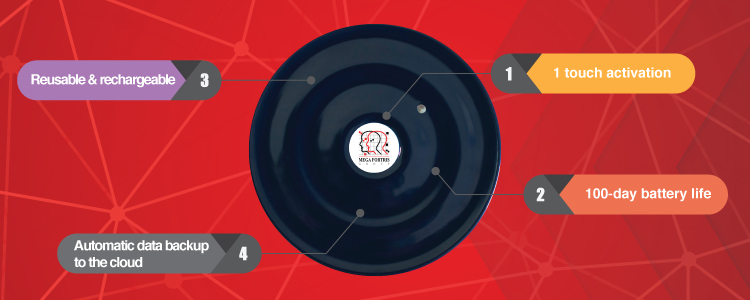
What’s your tool for change? Megafortris powered by MOST helps you to make a sustainable future happen today. Our monitoring solution empowers companies with the visibility and real-time insights they need to make changes where they count. If you’re looking for a partner in your journey towards a more sustainable and strategic supply chain, we’re happy to help.

Whenever the topic of traceability in the supply chain comes up, many often perceive it as tracking the logistics of deliveries and shipments. However, in light of Industry Transformation 4.0, traceability in the supply chain has evolved beyond the basic tracking mechanisms of physical cargo or items in transit.

Traceability is now about providing a full spectrum of transparency and visibility to create trust and confidence in all stakeholders involved in the supply chain of goods.

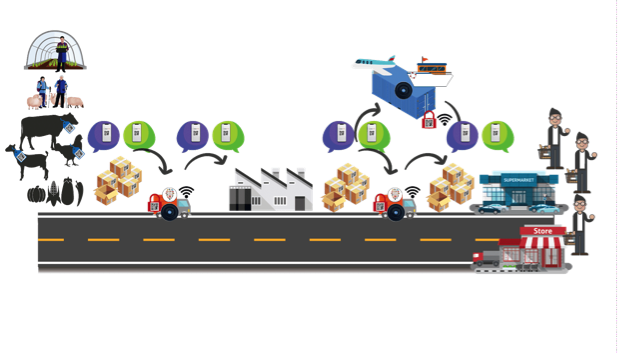
Thus, traceability is the ability to track and trace a batch of goods from its raw material production right through to when it reaches the hands of the end-users. The system is capable of recording and reporting every procedure along the supply chain, such as history, distribution path and location, and raw material and parts information.

Despite massive leaps of technology advancements with regards to traceability, the mechanism for traceability for those involved in the supply chains remains simple yet comprehensive: tag, scan, and repeat. By going through these steps at every stage of the supply chain, from raw materials sources through to the shelves of retailers, products and related information are retrieved, registered, and made available for business owners and consumers to trace and track.

The ability to register and store information within a secure and real-time database establishes information and knowledge sharing with all parties on the “what, when, where, and how” of a product.

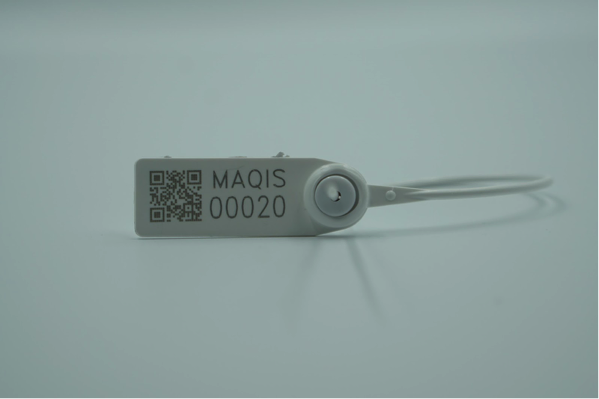
As a supply chain industry player ourselves, we have captured an expanding trend on the demand for QR codes over the last three years. With these insights, we have shifted our traceability implementation by simply replacing the conventional barcodes and serial numbers on our security seals with QR codes. The information behind the QR code will then be registered into a user-friendly system that can be accessed by anyone along the supply chain, without the need of a specialised barcode scanner.

Through the integration of hardware (security seals and stickers) and software (QR code and a monitoring platform), business owners are equipped and ready to deploy this value-added feature into their business, granting them more control and increasing their credibility amongst stakeholders and consumers.

Business owners who take advantage of the real-time features of the traceability system are able to make timely decisions to avoid loss and prevent disruption when alerts are triggered. By generating the data and history that are securely stored in the system, business owners can navigate through potential risks through improving operational procedures and enhancing resilient planning.

As another added value, by implementing transparency through traceability systems, organisations will also effectively demonstrate their sustainability initiatives and openness to stakeholders.

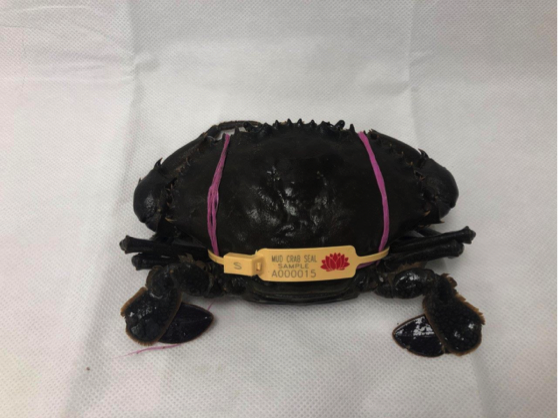
Image 1: Mud crab in Australia is being tagged to allow the monitoring of sustainable fishing.
Image 2: When the industry starts tagging all goods/items with its details uploaded and accessible via a QR code, authorities, business owners, and end-users will have full transparency of the supply chain; thus are empowered with traceability.
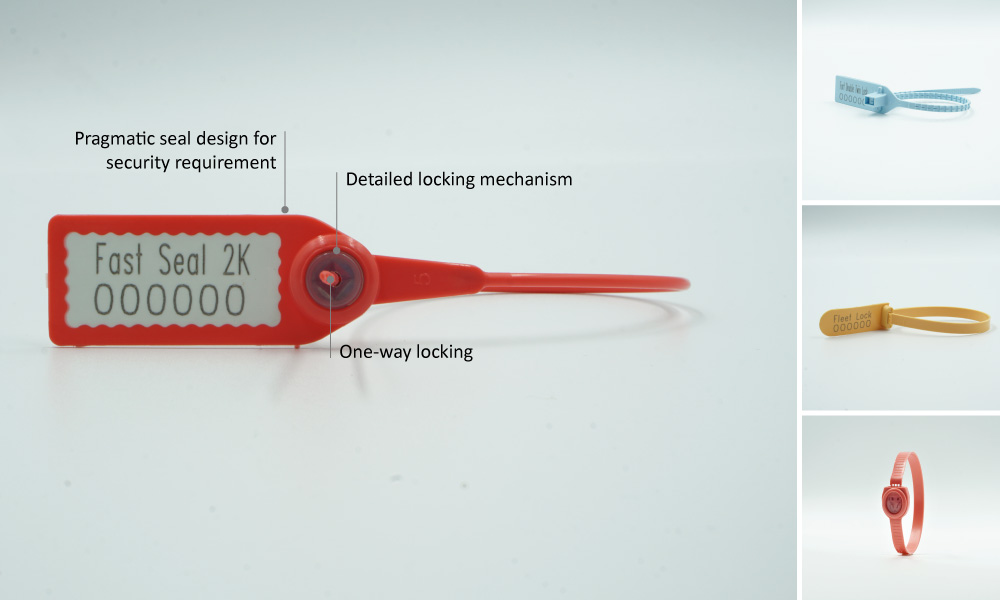
Image 3: Mega Fortris’ Fast Seal with a laser-engraved QR code that is unique to hold product details.