In the history of human civilizations, infectious disease has flourished since the horrendous Black Death that travelled from Asia and hit Europe in 1347, it took 200 million lives in four years. Over the recent two decades, we witness other epidemics and pandemics such as SARS, H1N1, Ebola, Zika, whereby some of them are still mercilessly taking lives. Vaccine R&D has been undergoing for each and every virus, giving us the crucial window to construct a collaborative and agile pharmaceutical supply chain.
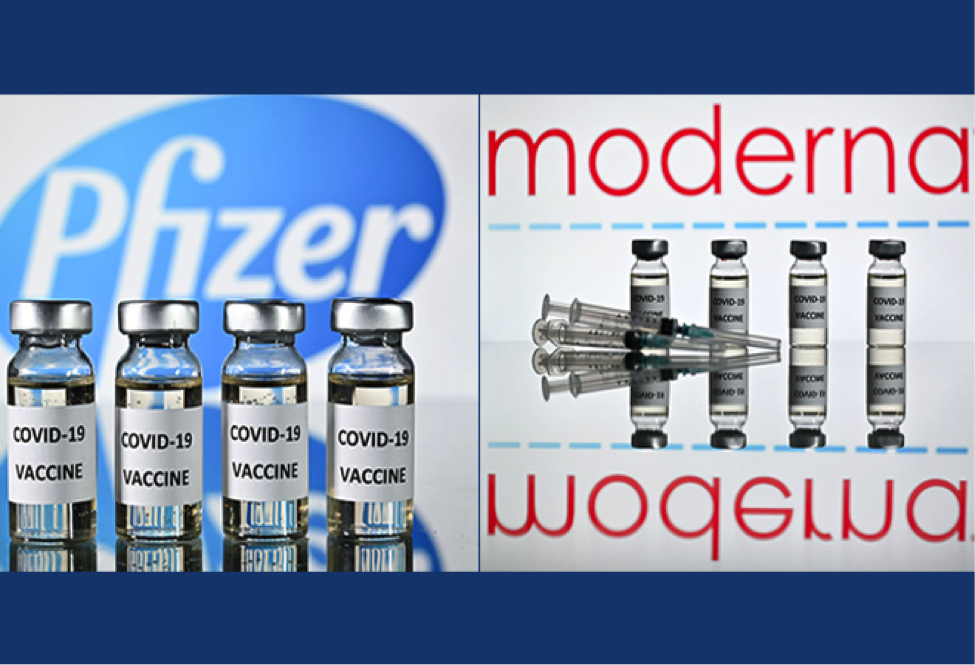
Concerning the current global health pandemic of Covid-19, Pfizer and Moderna have recently announced their respective vaccine. Subsequently, an IDC White Paper gives insights on the uncertainties and concerns the supply chain leaders hold against the pharmaceutical supply chain. They believe that the pharmaceutical supply chain is vulnerable and that the on-time, in-full delivery of medicines and auxiliary products has dropped due to the continuation of Covid-19. Besides, the rising amount of criminal activities like theft, hijacking, counterfeit products, have further disrupted them to secure the pharmaceutical supply chain and valuables.
Easier said than done, The Transported Asset Protection Association (TAPA) has warned that the distribution of vaccines is “the biggest security challenge for a generation”. With these considerations in mind, the supply chain industry players have been gearing up their operation to deliver the vaccine worldwide. The industry players concur the importance of collaboration and cohesiveness across all parties to improve agility and visibility in the supply chain. With synergy, integrating hardware and software, as well as information sharing, the pharmaceutical supply chain effectiveness and performance, could be expedited.
Looking back to move forward
The incremental development of Covid-19 cases over the year 2020 has also increased the demand for personal protective equipment (PPE), miscellaneous medical supplies and devices. TAPA has observed the increasing number of cargo crimes and high cargo risks, especially in the pharmaceutical supply chain “because the threat of cargo theft is never far away”. Air cargo and land transport industry players such as KLM, Virgin Atlantic, UPS, FedEx have been constructively advancing their operation and services to develop a secured and reliable pharmaceutical supply chain environment.
Multiple components—from the chemical material to packaging, appliances and equipment, are essential and thus high value for any pharmaceutical production, eventually provoking worldwide cargo crime. On the other hand, illegal product diversion is also among the major crimes in the pharmaceutical industry. With the recent announcement of Covid-19 vaccine and it being a temperature-controlled substance to be in large production and distribution, the cold chain is under unprecedented attention. How should we keep the supply chain and all parties protected and on alert? How do we keep a close eye on the pharmaceutical supply chain?
Towards a sensible pharmaceutical supply chain
The measure towards a sensible and secure pharmaceutical supply chain is to reinforce the hardware and incorporate digitalization into the conventional operation. The marriage of hardware and solution could benefit the supply chain more than just operation efficiency but also visibility. Transparency in the supply chain could eliminate the grey areas and fragility, ultimately enable full monitoring of the environment and data analytics.
In terms of combating cargo crime, the main commodities in play are undoubtedly the tamper-proof security seals. From high-security seals made of hardened pin and bush (see. High-Security Seals), to plastic indicative seals (see. Indicative Seals) for authentication purposes, a variety of irreversible identifiers, such as barcode and QR code, can be etched on the body for operation efficiency and uphold the product integrity.
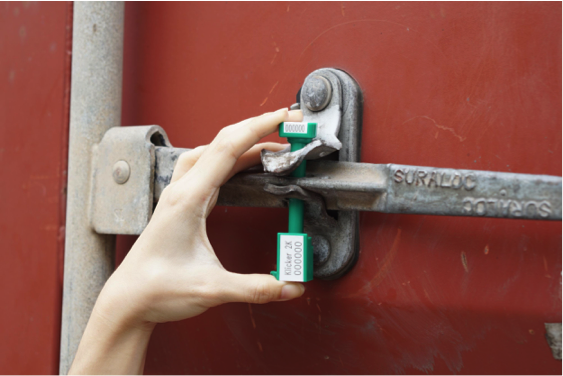

The ability to register and store end-to-end information within a secure and real-time database establishes information and knowledge sharing with all parties on the “what, when, where, and how” of a product. Reinforcement in the customs security is possible with simple scanning of the identifier at the border to gain information about the journey. With security seals and technology, we can effectively and collectively achieve comprehensive security and visibility in the pharmaceutical supply chain.
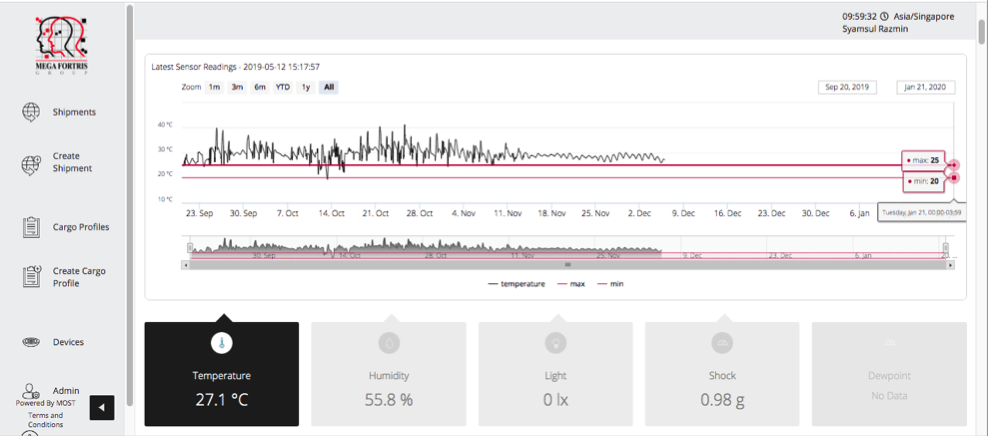
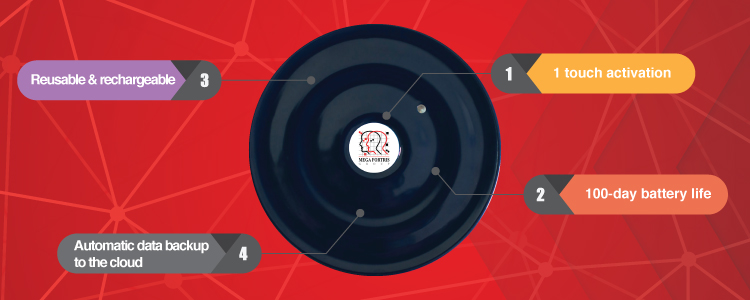
In addition to digitalization and Industrial Revolution 4.0, the Internet-of-Things (IoT) are indeed vital for cold chain monitoring. IoT technology offers a variety of possibilities, and a more thrilling aspect is real-time monitoring which grants industry players comprehensive sensors and immediate alerts throughout the journey. The IoT technology can capture fluctuations in location, temperature, humidity, light, and shock – all in one for the cold chain requirement. This allows sensor-collected data to be streamed continuously for immediate access and therefore provides greater visibility with every step of the way, with no space for human error. Besides, trucks play a crucial role in pharmaceutical products distribution. With GPS trackers installed on the trucks, industry players can gain sensor-collected data such as location, vehicle and fuel status, temperature, and others to plan efficient routes and stay alert.
Keep an eye on the supply chain
Mega Fortris is one of the world’s largest manufacturers of security seals, container bolt seals, tamper-evident products, and complete solutions for the securing of goods. The award-winning and standards accredited company offers a full range of highly tamper-evident and cost-competitive security products. With the versatility and efficiency of the products and services, the company is ready to serve the industry players intent to implement traceability in their operation.
Our security seal solutions have been recognised worldwide for its high quality and compliance with ISO 9001 and ISO 14001 requirements and environmental legislations. Our range of tamper-proof and trackable security seals, bags, labels and tapes can be used across a variety of receptacles used across the supply chain, from trailer doors, containers, trucks, cartons, and boxes.
To learn more about the wide range of security seals available for different types of cargo and modes of transport, visit Mega Fortris Group, a trusted, world-class security seal designer and manufacturer with over 20 years of experience.